By Al Timberlane · Timberlane Entertainment Company LLC
Medicine Roots
llustration-7.webp" width="2048" height="1482" loading="lazy" alt="Contacts, ownership and next steps — reassessment-wheel proposal, illustration 7 of 7.">Medicine Roots
Views: …
By Al Timberlane — Good Morning Ozark American Journal™
In small-town America, a visit to the doctor is more than a chart, a test, or a tap on the knee. At its best, it begins with a conversation.
What brings you in? How have you been feeling? Tell me what has happened before.
Those questions make room for something a medical record cannot fully contain: the person sitting in the chair.
Here in Mountain View, a musician brings more than an instrument to the microphone. There are years behind that voice—family, work, loss, friendships, and songs passed from one generation to another.
A patient brings a history, too.
Meet Lori T.
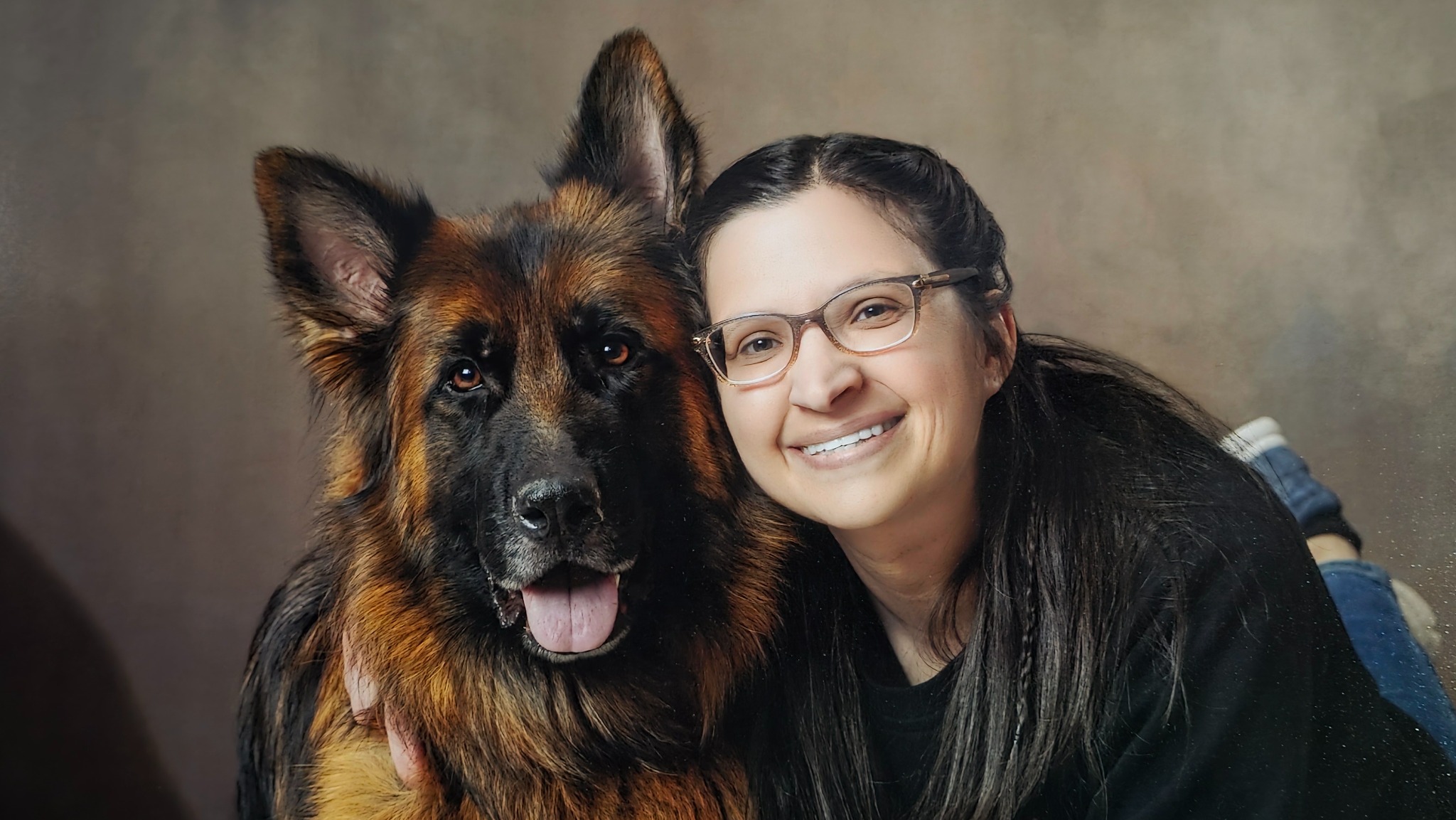
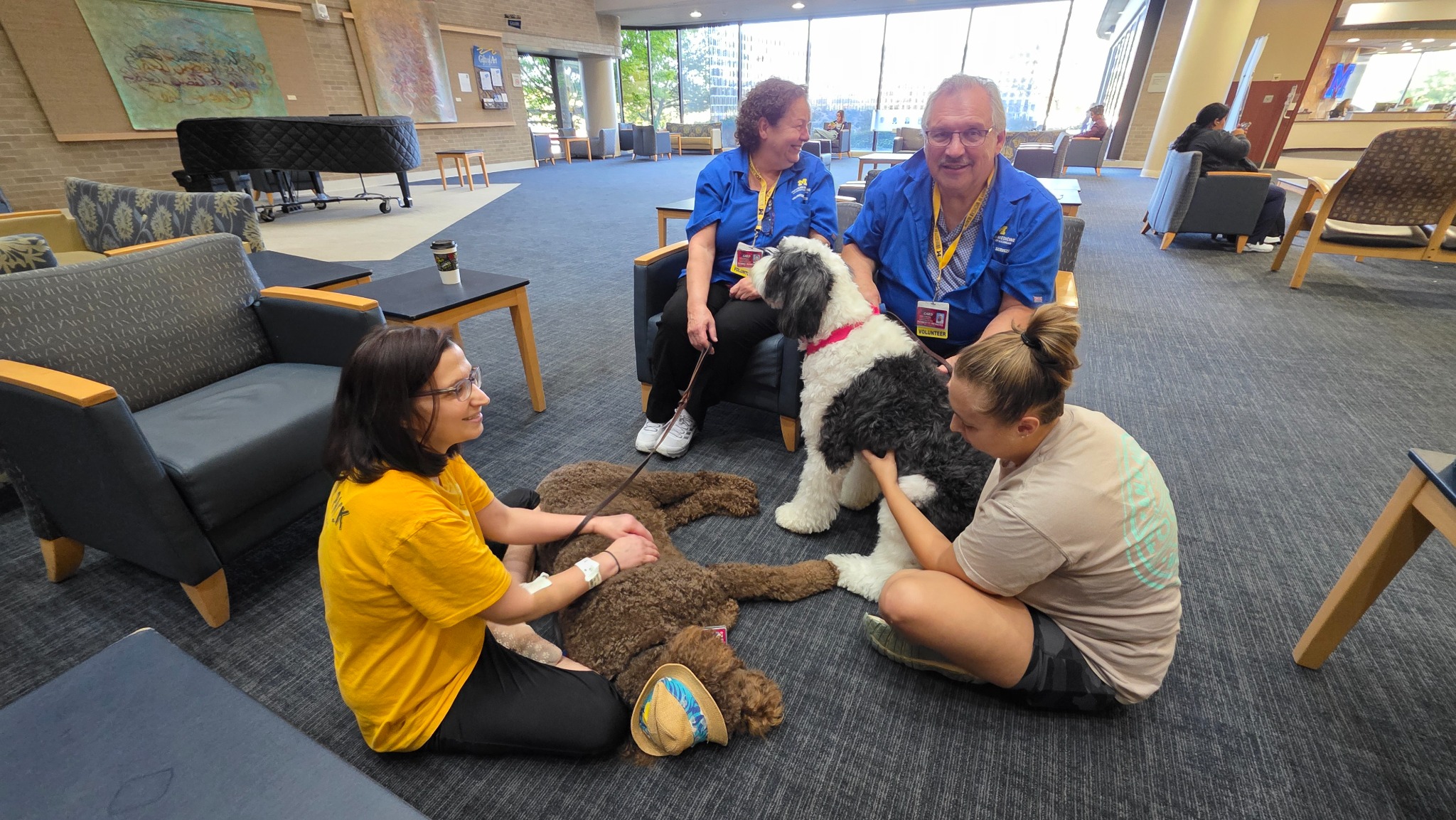
If you want to know Lori, ask the nurses.
Nurses spend time beside the bed, listening, helping, and watching how a person moves through the day. Their observations deserve a place in the conversation about care.
With Lori, they also encounter her kindness, generosity, and friendship. They meet someone who is strong—someone who has lived with a complicated medical history and learned to speak up for herself.
That strength deserves respect.
When she says, “Wait a minute,” we should make room to understand what follows. When a change in treatment feels to her like the loss of medical support, she needs a clear explanation and an opportunity to describe her concerns.
From our family’s perspective, a recent test needs to be considered alongside the longer history. We want to understand how the findings fit together, what they explain, and what questions remain.
Listening helps make that conversation possible.
Repairing the Wheel
I picture coordinated care as a wheel.
The patient belongs at the center. Around that person are the primary doctor, specialists, hospital teams, nurses, and others involved in care. The spokes are the connections between them: records, conversations, referrals, and follow-up.
For someone like Lori, those connections reach back to childhood.
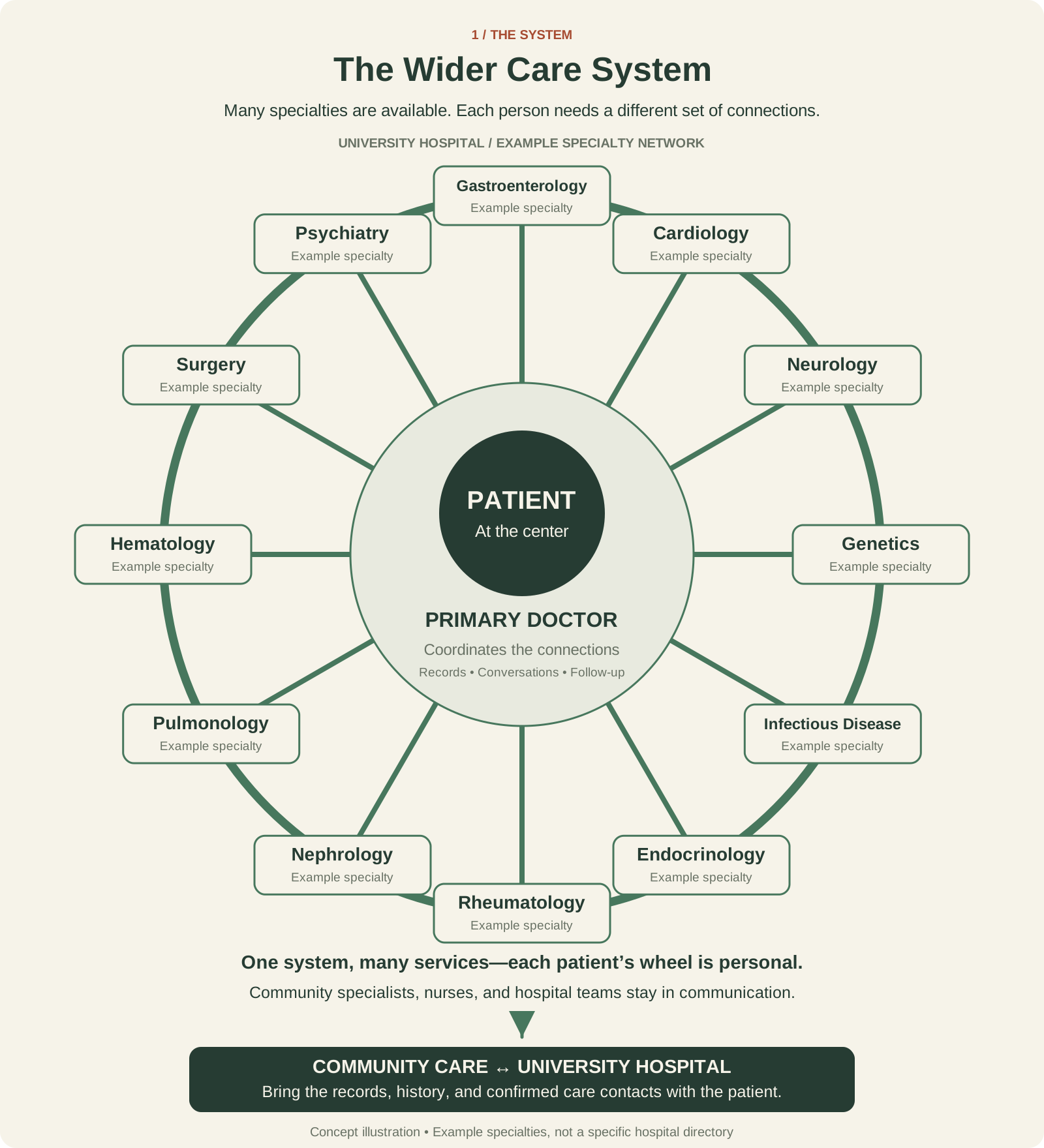
A patient entering a university hospital should bring the wheel with them: the records, knowledge, and communication of the specialists who may have cared for them over 40 years. Those clinicians may be elsewhere, but their understanding of the patient should remain connected to the hospital team.
Over the years, a doctor may retire or pass away. A patient may move across the country. Records may become scattered, and the reasoning behind an earlier diagnosis or treatment can become difficult to recover.
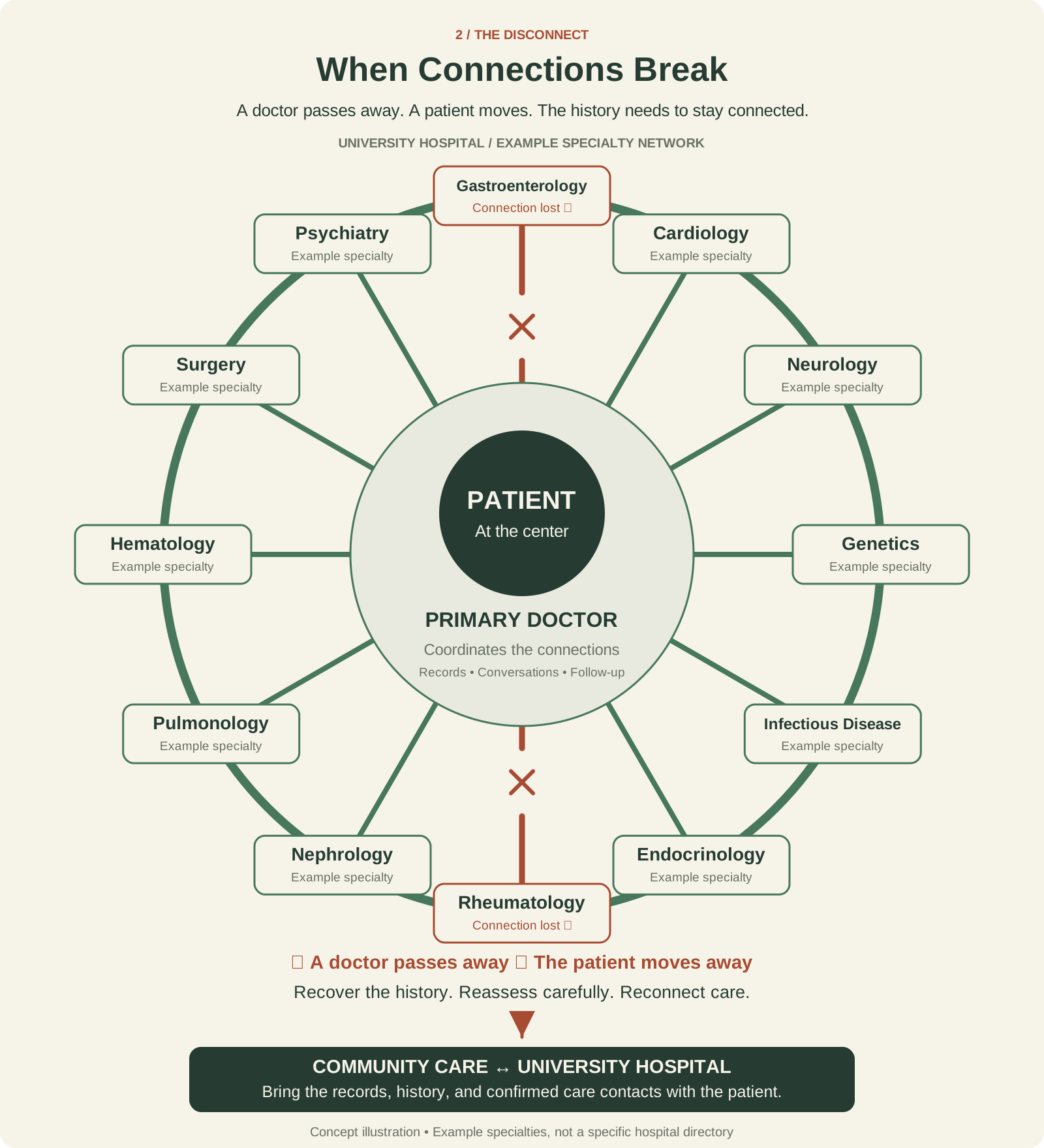
Our goal should be a system that preserves those connections through moves, changes of doctors, and hospital stays. When reassessment is needed, it should build on the history we can recover, with a clear plan for the next steps, so the patient’s care does not become a succession of disconnected beginnings.
A Wheel Built for Lori T.
Not every patient needs every spoke. The broad system is one thing; the care connections for an individual person are another.
Outside the university hospital, we plan to ask her primary doctor to lead a fresh reassessment of Lori’s full history and help determine which specialists belong in her wheel. Our family’s request is a starting point for that conversation. It does not establish a care team or decide which referrals or treatments are appropriate.
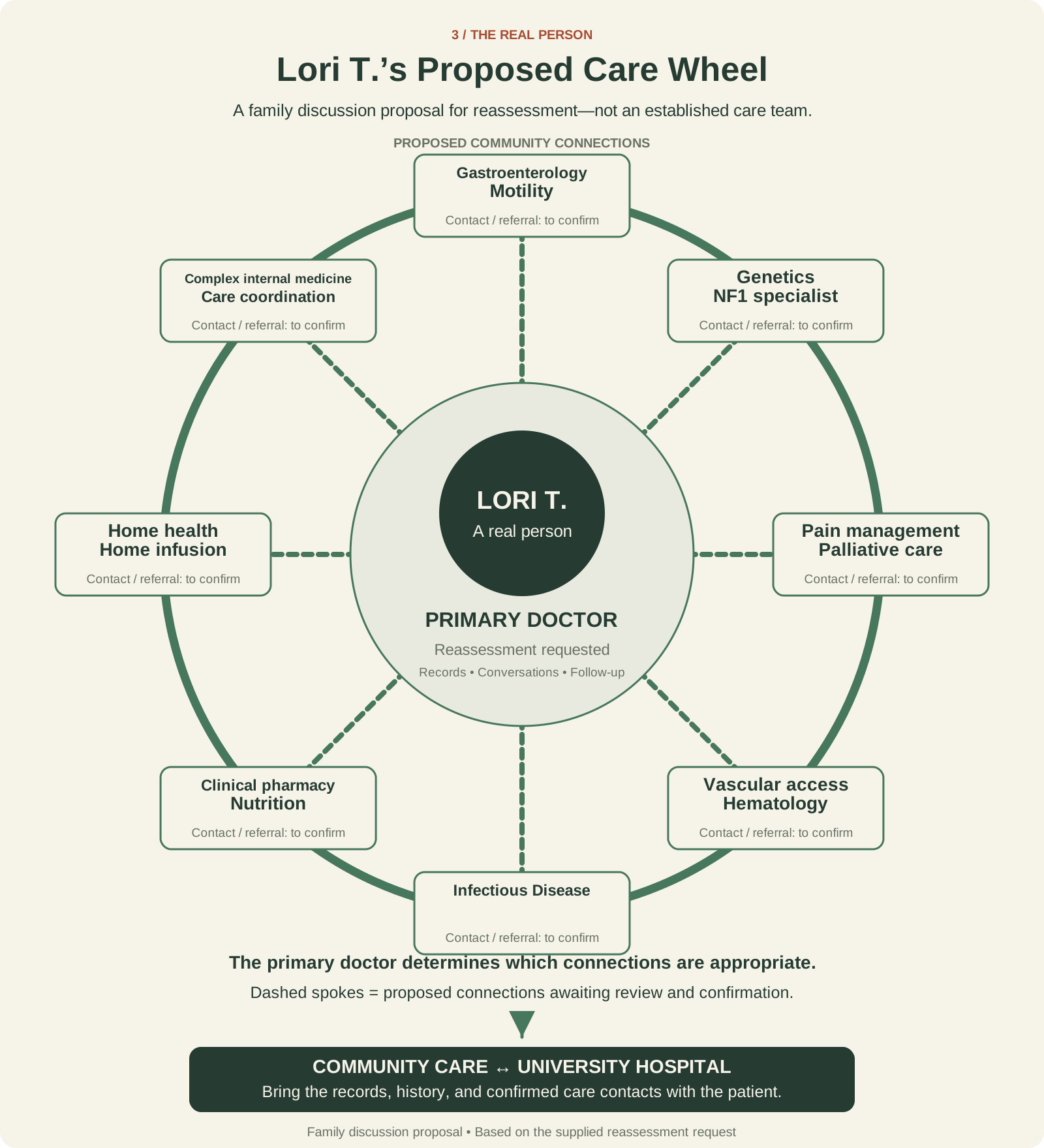
As those connections are confirmed, her wheel should have practical information behind it: the clinician’s name, how the teams can reach one another, the records that have been shared, and who is responsible for follow-up. A hospital team could then see whom to contact about her gastrointestinal history, genetic history, or another part of her care.
That is the point of bringing the wheel: helping the hospital work with the person’s existing history and community relationships, while making its own careful assessment. The goal is a clearer conversation and a connected plan.
An imagined exchange to illustrate the communication gap—not a verified quotation or a report of a particular encounter:
“No, we can’t do this. This is what we’re going to do. We don’t want to rehash.”
“Could we review the history together and contact the doctors who know it, so we can understand what has changed and what needs to happen next?”
But the patient still remembers being there.
She remembers what she was told, what she experienced, and the people who cared for her. Those memories deserve to be heard as part of a careful reassessment, even when the documentation is incomplete.
New findings may change our understanding. They do not erase the life that came before them.
Our plan, when Lori leaves this remarkable teaching hospital, is to return to her primary doctor and begin repairing the wheel: gather the available records, review her symptoms and history, and ask for a coordinated reassessment.
That may mean reconnecting with specialists and repeating evaluations where her doctors find it appropriate. We hope it will produce a clearer picture and a plan that can follow her from one setting to another.
Keeping the Connections Strong
I would like to see the primary doctor supported as a steady coordinator, with a clearly identified person or team helping keep those connections intact.
A referral should lead somewhere. Findings should reach the doctors who need them. Follow-up should remain connected over time, particularly for people whose conditions require years of care.
When a patient enters a university hospital, the community team’s knowledge should be available. When the patient returns home, the hospital’s findings and recommendations should travel back.
Nurses belong in that exchange as well. What they observe during everyday care can help the team understand the patient more fully.
The patient should not have to rebuild the wheel at every doorway.
Teaching Is Part of Caring
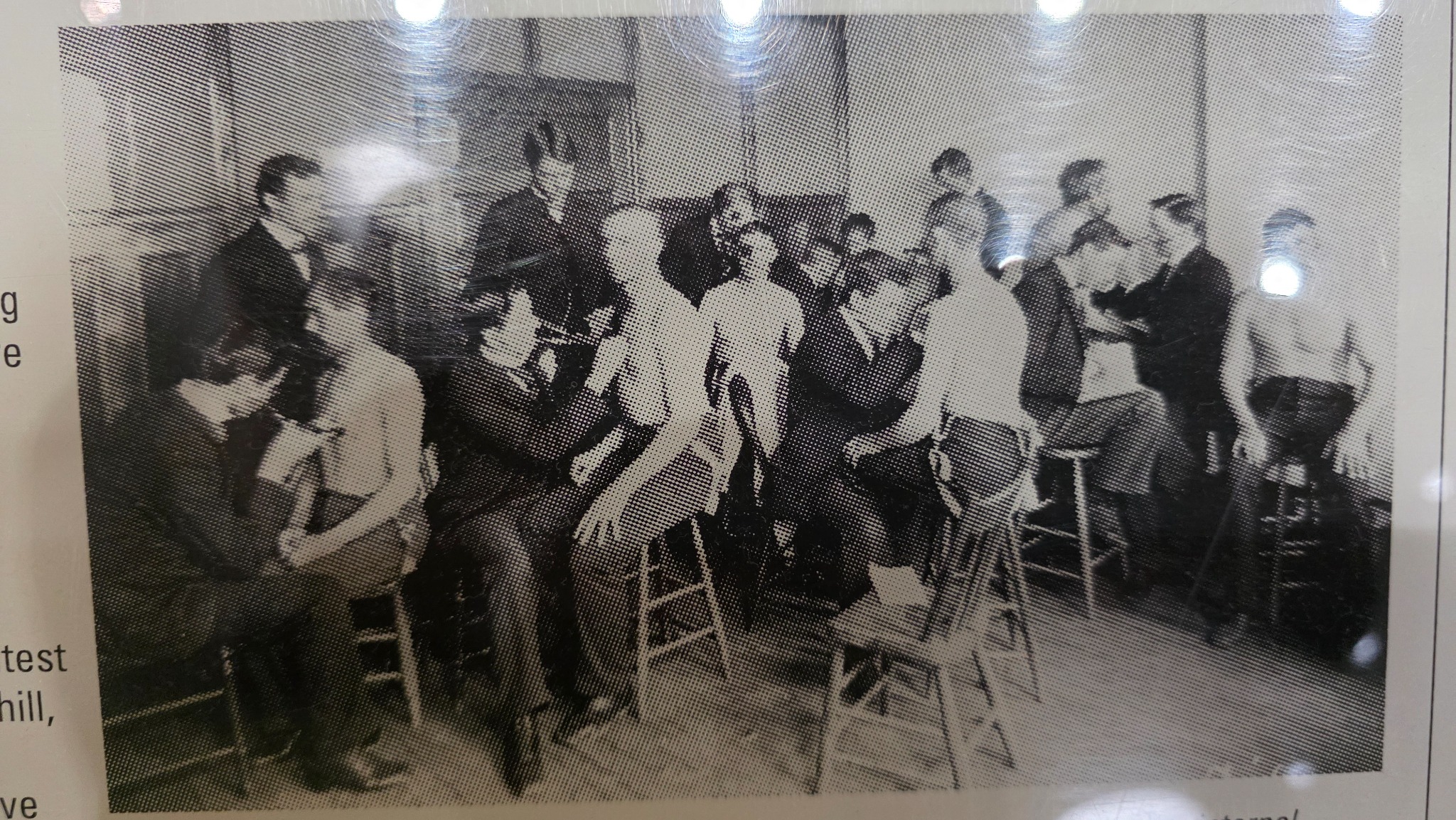
A teaching hospital carries a valuable responsibility: passing knowledge and judgment from experienced professionals to the next generation.
I hope listening remains a visible part of that inheritance.
Patients need teaching, too. If something remains unresolved at discharge, they need to understand what comes next, whom to contact, and who will help them make that connection.
When earlier medical instructions need to change, explain why. When records are missing, help identify what can be recovered and what needs fresh evaluation.
A respectful explanation gives the patient a place in the work ahead.
Coordinated care also needs to be within reach financially. A plan becomes useful when the person can obtain the appointments, travel, and follow-up it requires.
Technology, including AI, may help organize information and support communication. Doctors must remain responsible for medical judgment, with people caring for people at the heart of the system.
The Person Remains
This is what I want readers to understand about Lori T.
Behind the medical history is a woman with kindness, friendships, strength, and a lifetime of experience. She deserves to have that history heard and h